
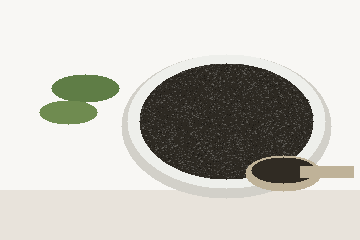
Humic Acid Powder for Agriculture: Uses, Solubility & Quality Guide
Humic acid powder is a concentrated humic material used in agricultural formulations, soil-conditioning products, fertilizer blends, and commercial nutrient-management programs. For manufacturers and bulk buyers, the powder form is especially useful because it is compact to transport, straightforward to store, and flexible for dry or liquid formulation work.
However, not every product sold as humic acid powder behaves the same way. Humic content, raw-material source, solubility, ash, moisture, particle size, and pH can all affect how the material performs in a finished formulation. This guide explains the main uses of humic acid powder and the specifications buyers should verify before ordering in bulk.
What Is Humic Acid Powder?
Humic acid powder contains humic substances derived from decomposed organic matter, often from humic-rich geological sources such as leonardite. Commercial grades are processed into a dry powder that can be incorporated into soil conditioners, fertilizer blends, and other agricultural products.
Humic acid itself is not a complete fertilizer. It is generally used as a soil-conditioning or formulation ingredient alongside a properly designed nutrient program.
Why Choose the Powder Form?
High Concentration in a Compact Format
Powder products can carry a high proportion of dry material without the water present in ready-made liquids. This can make storage and freight more efficient for manufacturers and distributors.
Flexible for Formulators
Depending on the grade, humic acid powder can be used in dry blends or processed into liquid products. Formulators can select the concentration and supporting ingredients required for their own finished product.
Convenient Bulk Storage
Properly packed powder generally requires less warehouse space than equivalent volumes of diluted liquid material. Moisture protection remains important during storage.
Common Uses of Humic Acid Powder
- Soil-conditioner formulations
- Dry fertilizer and nutrient blends
- Granular agricultural products
- Liquid humic formulations after suitable processing
- Root-zone and soil-health products
- Private-label agricultural formulations
- Commercial fertilizer manufacturing
Humic Acid Powder vs Flakes vs Liquid
| Factor | Powder | Flakes | Liquid |
|---|---|---|---|
| Handling | Easy to blend; dust control may be needed | Good for bulk storage and processing | Convenient for pumping and dosing |
| Freight | Efficient because little water is shipped | Efficient | Includes water weight |
| Formulation flexibility | High | High | Depends on purchased concentration |
| Important check | Particle size and solubility | Solubility and flake consistency | Stability, pH and active content |
Is Humic Acid Powder Water Soluble?
Solubility depends on the product's chemistry and grade. Some humic powders disperse or dissolve readily, while others contain a meaningful insoluble fraction. Buyers planning to manufacture liquid products or use material in fertigation systems should request a defined solubility specification and perform a small-scale test.
Potassium humate powder is often chosen when higher water solubility is required, but the exact composition and specification should always be confirmed with the supplier.
Key Quality Specifications to Check
Humic Content
Review the declared humic content together with the analytical method used. Percentages from different suppliers are not always directly comparable if the test methods differ.
Water Solubility
This is especially important for liquid formulations, drip irrigation, and filtration-sensitive systems. Low solubility may lead to sediment or processing difficulties.
Moisture
Moisture affects storage stability, flowability, and the effective dry-matter content of a shipment.
Ash Content
Ash is one indicator of the mineral fraction in the product. It should be reviewed alongside the declared humic specification and intended application.
Particle Size
Particle size influences blending uniformity, dust generation, handling, and dissolution rate. Formulators should specify the powder size that suits their process.
pH
pH can affect compatibility with other ingredients and may influence the processing steps required when preparing liquid formulations.
Formulation Considerations
Before adding humic acid powder to a commercial formulation, carry out compatibility and stability testing with the actual water and ingredients that will be used. Fertilizer salts, micronutrients, acids, alkaline materials, and other additives can change dispersion or solubility behavior.
For liquid products, pilot-scale testing should include dissolution time, sediment formation, filtration, pH, storage stability, and final active-content verification.
Documents to Request from a Bulk Supplier
- Certificate of Analysis (COA)
- Technical Data Sheet (TDS)
- Safety Data Sheet (SDS)
- Humic-content test method
- Solubility specification
- Moisture and ash values
- Particle-size information
- Batch identification and manufacturing details
- Packaging specification
- Country-of-origin information where required
Packaging and Storage
Humic acid powder is commonly supplied in lined industrial bags designed to reduce moisture exposure. Store sealed packages in a cool, dry location and protect them from water, excessive humidity, and contamination.
For long-term inventory, use first-in, first-out stock control and inspect bags for moisture damage before production use.
Bulk Buying Checklist
Before confirming a commercial order, compare more than the quoted price. Ask for a representative sample, verify the COA, test the powder in your actual formulation, and confirm whether the supplier can maintain the same specification across repeat batches.
- Required humic specification
- Solubility requirement
- Particle size
- Moisture and ash limits
- Packaging size
- Minimum order quantity
- Lead time
- Required documentation
- Batch-to-batch consistency
Frequently Asked Questions
What is humic acid powder used for?
It is commonly used as a raw material in soil conditioners, fertilizer blends, humic formulations, and other agricultural input products.
Is humic acid powder the same as potassium humate powder?
No. Potassium humate is a potassium salt of humic substances and is often selected for improved water solubility. Commercial product names vary, so the composition should be confirmed from the technical specification.
Can humic acid powder be used in fertigation?
Only a suitable grade should be considered. Solubility, filtration, water quality, and compatibility must be checked before use in a fertigation system.
Does a higher humic percentage always mean better quality?
No. Humic content is important, but solubility, ash, moisture, raw-material source, consistency, and the analytical method also matter.
Should buyers test a sample before ordering in bulk?
Yes. A representative sample can help confirm blending, dissolution, compatibility, appearance, and processing behavior before a large purchase.
How should humic acid powder be stored?
Keep it sealed in moisture-resistant packaging in a cool, dry location, following the supplier's storage and handling instructions.
Conclusion
Humic acid powder is a flexible raw material for agricultural and fertilizer formulations, but successful sourcing depends on matching the technical specification to the intended application. Solubility, humic content, ash, moisture, particle size, documentation, and batch consistency should all be reviewed before placing a bulk order.
Looking for bulk agricultural formulation inputs? Contact BulkFineChem to discuss specifications, packaging, documentation, and commercial sourcing requirements for your application.