
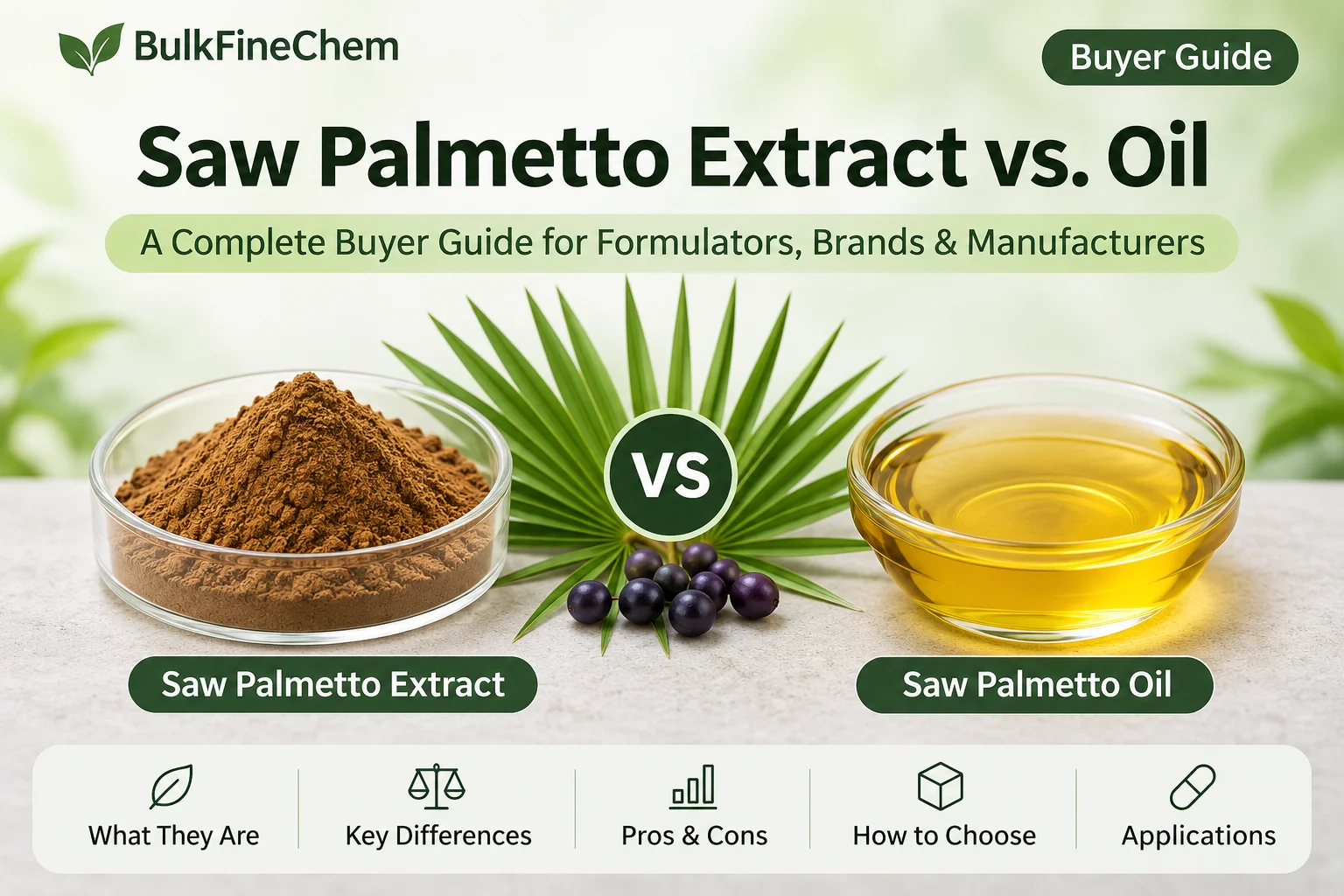
Saw palmetto extract vs oil is a practical sourcing question for nutraceutical, herbal and specialty-formulation buyers because BulkFineChem carries several different formats: 25% extract, 45% extract, 85% cold-pressed oil, 85% CO2-extracted oil and USP-grade extract. These materials are not automatically interchangeable, even when they come from the same botanical source.
The right choice depends on the approved formulation, required concentration, dosage form, extraction method, documentation and cost target. This guide explains how to compare the main BulkFineChem saw palmetto grades before placing a bulk order.
Saw Palmetto Extract vs Oil: Quick Comparison
| Format | Listed Standardization | Buyer Focus |
|---|---|---|
| Saw Palmetto Extract 25% | 25% standardized extract | Moderate-concentration formulations |
| Saw Palmetto Extract 45% | 45% standardized extract | Higher-concentration extract requirements |
| Saw Palmetto Oil 85% Cold Pressed | 85% oil format | Oil-based formulations and cold-pressed processing preference |
| Saw Palmetto Oil 85% CO2 Extracted | 85% concentrated oil | High-strength oil with CO2 extraction requirement |
| Saw Palmetto Extract USP | USP-aligned extract | Buyers requiring a pharmacopoeial quality specification |
The grade name alone should not be used as the complete purchasing specification. Buyers should confirm exactly what the percentage represents, how it is tested, and which parameters are reported on the batch Certificate of Analysis.
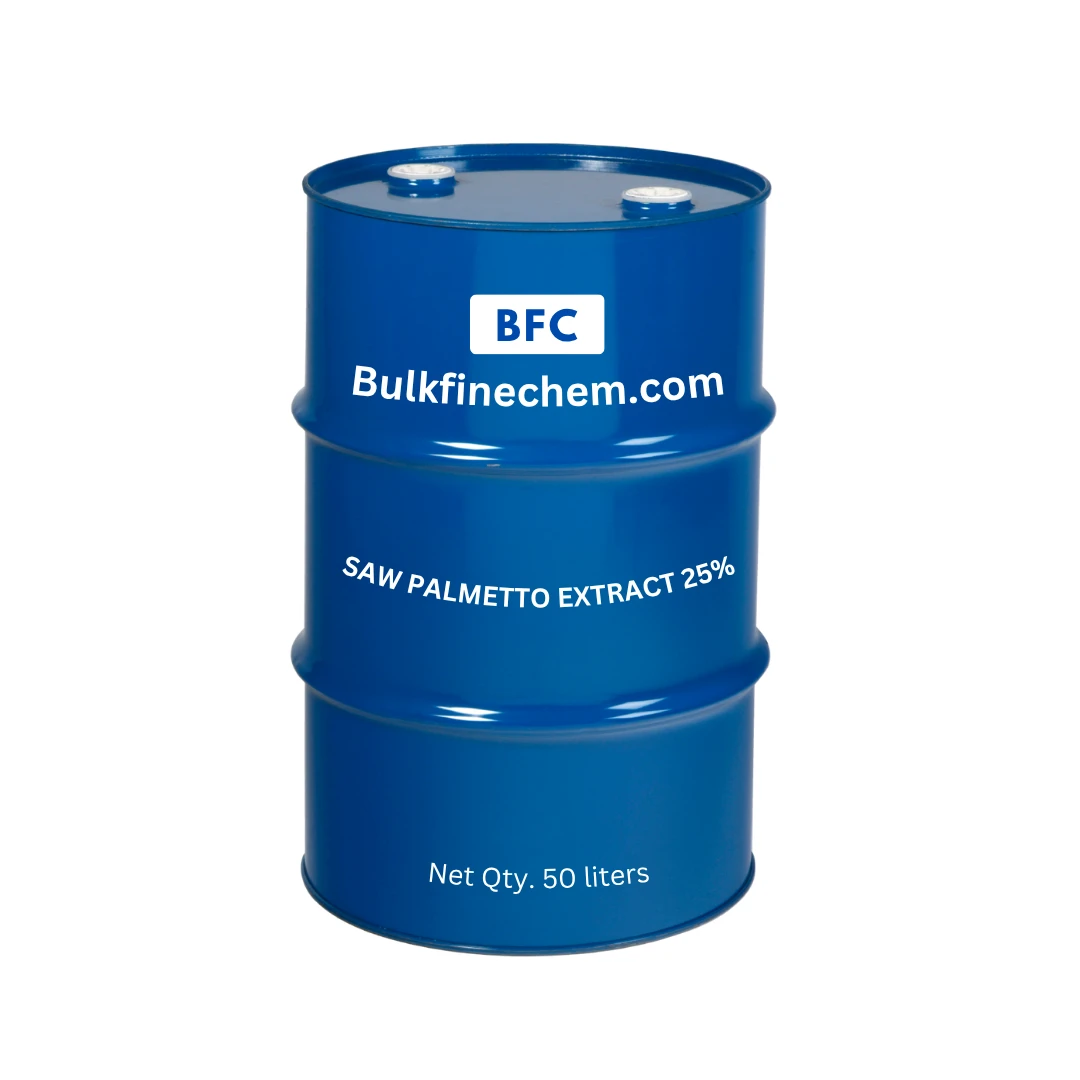
Saw Palmetto Extract 25%
Saw Palmetto Extract 25% is a standardized botanical extract supplied for nutraceutical and herbal formulations. It can suit products that need a defined extract concentration without moving to a higher-strength 45% or 85% material.
When buyers may choose the 25% format
- The approved formula specifies a moderate-strength extract.
- The dosage form allows a larger raw-material quantity.
- The buyer wants a standardized extract rather than an oil format.
- Cost per kilogram is more important than maximum concentration.
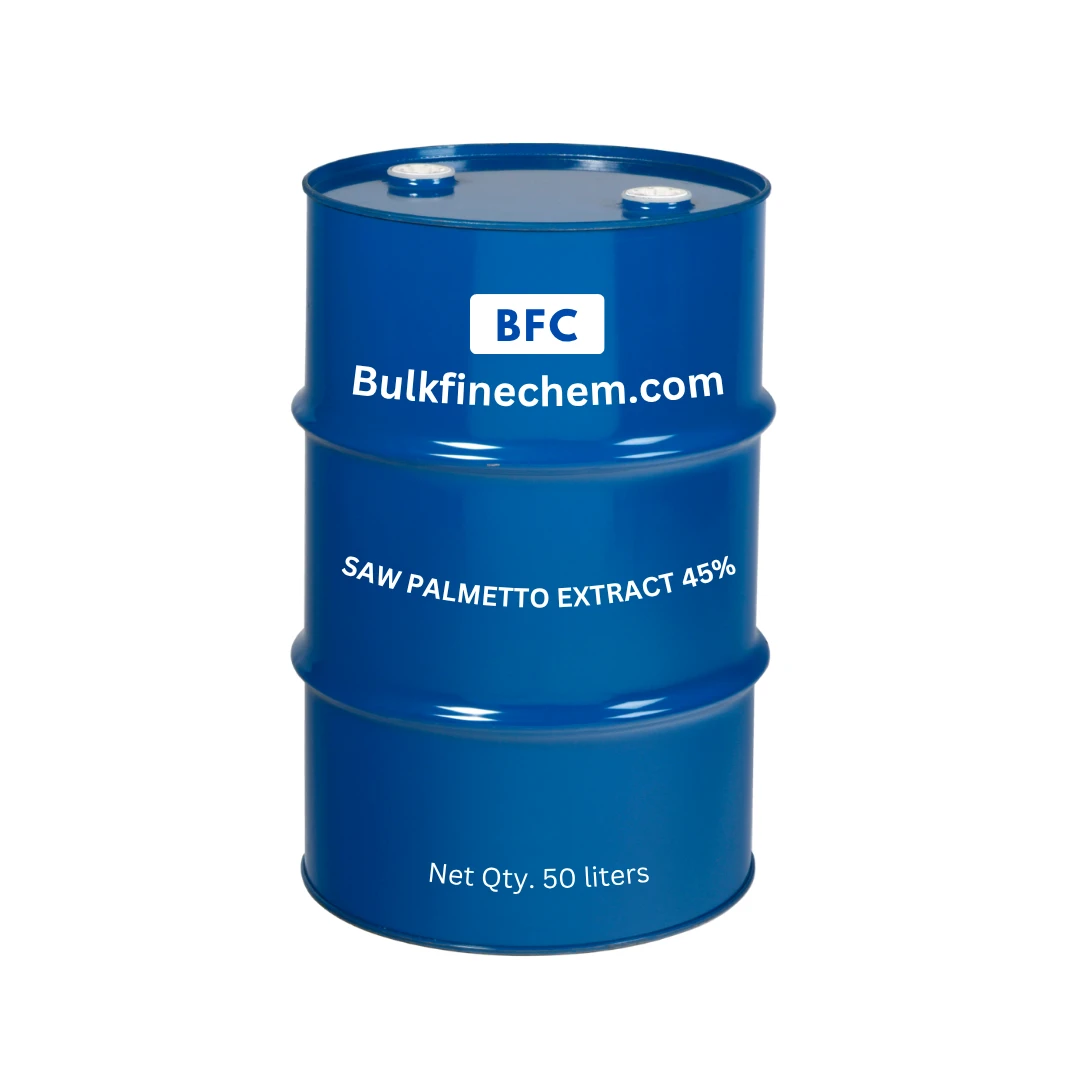
Saw Palmetto Extract 45%
Saw Palmetto Extract 45% provides a higher standardized concentration than the 25% grade. This can reduce the amount of extract required when the formulation target is based on a defined standardized level.
Why concentration matters
A higher percentage can change capsule fill weight, tablet size, excipient space and cost per finished unit. Buyers should calculate formulation requirements on a standardized-content basis instead of comparing only price per kilogram.
Saw Palmetto Oil 85% Cold Pressed
Saw Palmetto Oil 85% Cold Pressed is an oil-format material produced using a cold-pressing process. Buyers may prefer this format when the formulation is oil-based or when cold-pressed processing is part of the product specification.
What cold pressed means for sourcing
Cold-pressed processing is a manufacturing characteristic, not a complete quality specification. The buyer should still confirm the exact standardized parameters, batch results, storage requirements, packaging and oxidation controls.
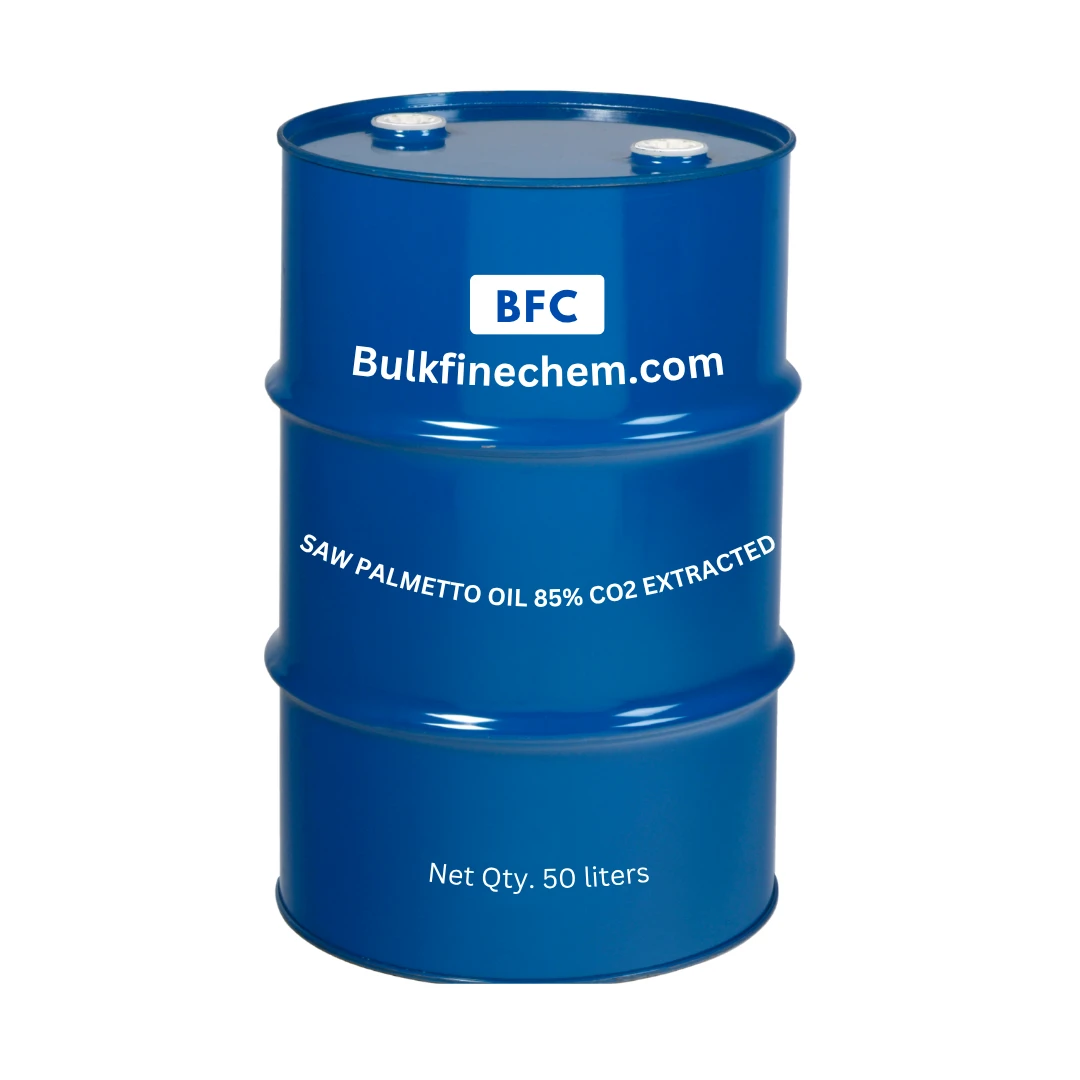
Saw Palmetto Oil 85% CO2 Extracted
Saw Palmetto Oil 85% CO2 Extracted is a concentrated oil produced using CO2 extraction.
CO2 extracted vs cold pressed
The two 85% materials should not be assumed to be identical simply because they carry the same percentage. The extraction method can influence the resulting material profile, and the buyer should compare the actual specification and COA before approving a substitution.
Saw Palmetto Extract USP
Saw Palmetto Extract USP is intended for buyers who require a USP-aligned material specification.
Why the USP designation matters
A pharmacopoeial claim should be supported by the relevant specification and batch documentation. If USP compliance is required by the formulation or quality system, the purchase order should state that requirement clearly rather than using a generic “pharma grade” description.
How to Choose the Right Saw Palmetto Grade
- Start with the approved formula. Identify whether the formulation calls for an extract, oil or compendial grade.
- Define the standardized concentration. Compare 25%, 45% and 85% options against the required finished-product target.
- Check dosage-form constraints. Capsule, tablet, softgel and liquid systems have different space and processing limits.
- Compare extraction method. Decide whether cold-pressed, CO2-extracted or another specified process is required.
- Review batch documentation. Confirm the COA and specification before approving the material.
- Run formulation trials. Evaluate flow, blending, filling, appearance, odour and stability in the actual product.
What Buyers Should Check on the COA
- Product name and exact grade
- Batch or lot number
- Standardized percentage or marker specification
- Reported analytical result
- Appearance and identity
- Moisture or other relevant physical parameters
- Microbiological and contaminant limits where required
- Release status and test date
The COA should match the delivered batch. A generic sample COA can be useful during supplier qualification, but it should not replace batch-specific release documentation.
Extract vs Oil for Different Dosage Forms
Capsules and tablets
Dry extract formats can be easier to incorporate into conventional capsules and tablets when the product is designed around powdered ingredients.
Softgels and liquid systems
Oil formats can fit softgel, liquid and oil-based formulations where compatibility with the carrier system is important.
Blended nutraceutical formulas
When saw palmetto is one ingredient among several, the selected concentration can affect available space for other actives and excipients.
Cost Comparison: Do Not Use Price per Kilogram Alone
A 45% or 85% material may carry a higher price per kilogram than a 25% extract, but the required formulation quantity can also be lower. Procurement should compare the cost against the standardized content delivered into the finished product.
Other cost factors can include:
- Minimum order quantity
- Packaging size
- Testing requirements
- Storage and shelf-life conditions
- Import or logistics requirements
- Manufacturing yield and processing losses
Storage and Handling
Botanical extracts and oils should be stored according to the supplier specification and protected from conditions that can reduce stability. Oil-based materials in particular should be protected from excessive heat, light, air exposure and contamination.
At receiving, check:
- Container integrity
- Batch number
- COA match
- Seal condition
- Storage instructions
- Expiry or retest information
Frequently Asked Questions
What is the difference between saw palmetto extract and saw palmetto oil?
Extract and oil are different raw-material formats. Their specifications, processing behaviour and formulation uses can differ, so they should not be treated as automatically interchangeable.
Is 85% always better than 25% or 45%?
No. A higher percentage only means a more concentrated standardized material according to the stated specification. The best grade is the one that fits the approved formula.
What is the difference between cold-pressed and CO2-extracted saw palmetto oil?
They use different extraction processes. Buyers should compare the resulting specification, analytical profile and intended formulation use before selecting one.
Can I replace 25% extract with 45% extract directly?
Not without recalculating the formulation and completing the required quality or change-control review.
Why would a buyer choose USP saw palmetto extract?
A USP-aligned grade can be required when the formulation, customer specification or quality system calls for a pharmacopoeial standard.
What should be written on the purchase order?
State the exact product format, standardized percentage, quantity, packaging and required quality documentation.
Does BulkFineChem supply multiple saw palmetto grades?
Yes. BulkFineChem lists 25% and 45% extracts, 85% cold-pressed and CO2-extracted oils, and a USP-grade saw palmetto extract.
Conclusion
The saw palmetto extract vs oil decision should be driven by formulation design, standardized concentration, dosage form, extraction method, COA requirements and total cost. A 25%, 45% or 85% material can each be the right choice when it matches the approved specification.
Need a bulk quote? Review BulkFineChem's saw palmetto products and send the required grade, concentration, quantity, packing and application to the BulkFineChem team.